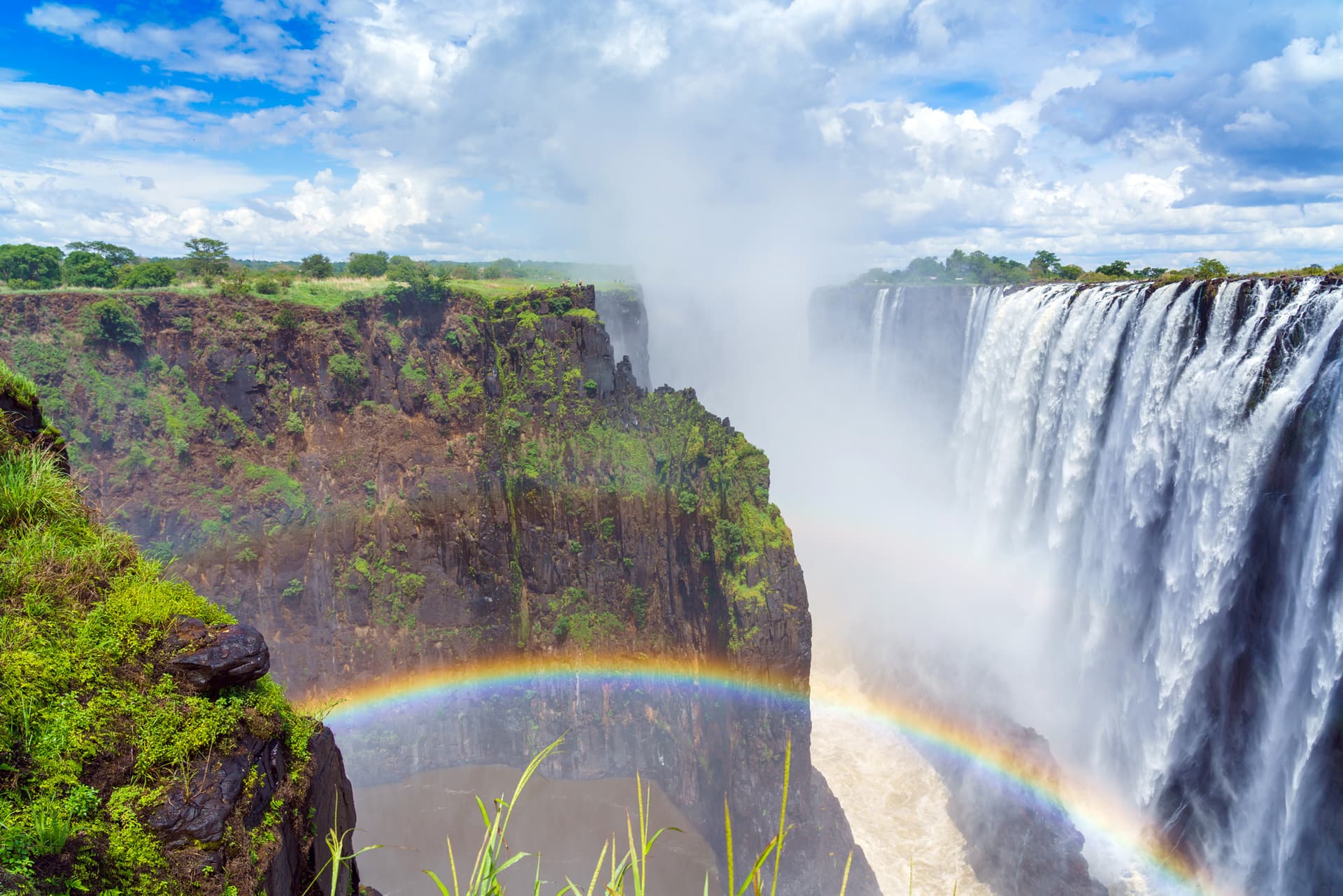
Published 2026 lodge rates, per person sharing, per night, low to peak season. Flights and park fees extra; final price depends on dates and availability.
A Zimbabwe safari is less about a single park and more about pairing Hwange’s elephant country, Mana Pools’ walking and canoe access, and Victoria Falls timing with the guiding standard the country is known for. Private itineraries shine here: flexible days in Hwange concessions, foot time in Mana when conditions allow, and Falls as a deliberate add-on rather than a rushed transfer. Use this page for seasonality, per person sharing rates, and sample structures—then get matched if you want operators who actually hold the right camps for your dates. How private routing works is in private African safari tours; Mana’s river light and time on foot sit with photographic safaris.
Build a Zimbabwe brief — get matched →
Hero photography on this page is from a partner operator. Trips with that operator book through our Outside Agents rail and are not operated by Safari Awaits. Commercial disclosure. Photo credits.
Zimbabwe safari parks, and what each one is for
Most Zimbabwe safaris draw on four areas, and each does a different job. Hwange National Park is the country's largest park and its elephant country: in the dry months herds gather at pumped waterholes, and lion, buffalo and wild dog are regular. Mana Pools on the Zambezi floodplain is the walking and canoeing park, where open albida woodland lets licensed guides take you on foot. Victoria Falls is the gateway town and the view, best as two nights at the start or end. Lake Kariba and Matusadona add houseboats and a lakeshore safari. Gonarezhou in the southeast and the Matobo Hills near Bulawayo reward repeat visitors, but sit outside most first itineraries.
- Hwange: elephants at scale and the easiest first Zimbabwe safari
- Mana Pools: walking, canoeing and wild dog, open in the dry season
- Victoria Falls: two nights, at the beginning or end
- Lake Kariba: houseboats and the Matusadona shoreline
How a Zimbabwe safari is routed
The classic first trip is two Hwange camps and two nights at the Falls over seven or eight nights. Victoria Falls airport has regional connections, including from Johannesburg, and Hwange is reached by road transfer or a short light-aircraft hop. Ten to eleven nights opens the full Zambezi circuit with Mana Pools, which most travelers reach by light aircraft. Zimbabwe also combines easily with its neighbors: Chobe in Botswana is a short road transfer from Victoria Falls, and Livingstone on the Zambian side connects to South Luangwa and the Lower Zambezi. See the sample structures further down this page, or browse all safari itineraries.
Best time for a Zimbabwe safari
The dry season, roughly May to October, is the main safari window. Water dries up across Hwange and Mana Pools, so animals concentrate where it remains, and September and October bring the year's strongest game viewing along with real heat. Mana Pools is a dry-season park and closes in the rains. From November to April the bush turns green, rates soften, birding is excellent and Hwange stays open, while Victoria Falls builds to full flow from around March. If the Falls matter as much as the wildlife, a shoulder month such as May or June balances both. Check each month against the other destinations in when to go.
What a Zimbabwe safari costs, and what moves the price
On published 2026 rates, Zimbabwe's Hwange camps cost $355–$755 per person sharing per night, the premier lodges at the Falls and in Mana Pools $1,020–$1,935, and exclusive-use villas at the Falls from $2,180, from low to peak season. Okavango Delta camps in Botswana run $658–$4,225 on the same basis, so Zimbabwe generally prices below Botswana, which is a large part of its appeal. What moves the number most: whether Mana Pools is included (it usually adds light-aircraft flights), the season, private-concession camps versus camps inside the national park, and whether you want a private guide for the whole trip. Park fees and flights are extra, and the final price depends on dates and availability. Read what an African safari costs for the wider picture, or price your own dates with the estimator.
How Zimbabwe compares on price and season: costs and timing across our full destination map.
Choose Zimbabwe if…
- Guiding quality is a priority and you understand what the difference means
- Walking among big game in Mana Pools appeals to you
- You want elephant in numbers and Victoria Falls in the same trip
- You value quieter parks and better value than Botswana
Reconsider if…
- You need the polish and infrastructure of South Africa or Kenya
- Your dates fall in the wet season, when Mana Pools closes
- You want a beach component; Zimbabwe is landlocked
Where to focus
Hwange National Park
Zimbabwe’s largest park, famous for elephant concentrations at waterholes in the dry months and strong lion and wild dog populations. Excellent private concessions on the park’s edges.
Read about Hwange National Park →Walking, canoeing, wild dog, sceneryMana Pools
A floodplain of the Zambezi beneath the escarpment, defined by ancient albida woodland and the freedom to walk. The most atmospheric park in southern Africa.
Read about Mana Pools →The falls, adventure activities, river cruisesVictoria Falls
The widest curtain of falling water in the world, best seen from the Zimbabwean side. Two nights, no more, as a beginning or end.
Read about Victoria Falls →Houseboats, lion, lakeside sceneryLake Kariba & Matusadona
A vast lake with drowned forests where elephant and lion come down to the shoreline. Houseboat safaris here are a distinctly Zimbabwean pleasure.
Read about Lake Kariba & Matusadona →Seasonality at a glance
| Period | Typical conditions | Who it suits |
|---|---|---|
| May–August | Dry, cool mornings, comfortable days | Comfort and good viewing across all parks |
| September–October | Hot, very dry, dusty | Wildlife-first travelers who tolerate heat |
| November–April | Rains; green bush; Mana Pools closed | Falls-focused trips and Hwange in emerald season |
Seasonal patterns are historical guidance, not guarantees. Verify current local conditions and operating schedules before booking.
Three ways to do Zimbabwe, priced per person sharing.
Classic Camps
$355–$755 per person sharing / night$1,641–$2,876 per person sharing, 5 nights (3 Hwange + 2 Victoria Falls).
Estimated from published lodge and park rates, per person sharing, excluding flights; final price on quote.
Includes: Hwange camps with meals, drinks and activities; a bed-and-breakfast hotel near the Falls; park fees extra
Zimbabwe’s value proposition: superb guiding at camps priced well below their Botswana equivalents.
Premier Concessions
$1,020–$1,935 per person sharing / nightFrom $14,795 per person sharing, 8 nights (Victoria Falls, Hwange and Mana Pools), April–May 2027; a partner operator's sample with flights between camps
Includes: Premier camps in private concessions, Mana Pools, internal flights, all inclusions
The full Hwange–Mana Pools–Falls circuit at the top camps in each.
Private Guided Safari
From $2,180 per person sharing / nightPriced on quote
Includes: Private professional guide throughout, exclusive-use camps, charter flights
A Zimbabwean professional guide traveling with you, the whole way, at the top camps in each park.
Move the inputs yourself: price a Zimbabwe trip by month, style and nights.
Wildlife
Zimbabwe’s parks carry serious populations of elephant, lion, wild dog and buffalo, with Hwange and Mana Pools among the continent’s premier wildlife areas by any measure.
- Elephant
- Hwange holds tens of thousands; dry-season waterhole gatherings are among Africa’s great sights.
- African Wild Dog
- Mana Pools is one of the best places on the continent to see painted wolves hunt.
- Lion
- Strong prides in Hwange and along the Kariba shoreline.
- Buffalo
- Herds of many hundreds in Hwange and Mana Pools.
- Nyala and Eland
- Mana Pools’ albida woodland supports rich antelope diversity.
Where: Hwange waterholes at dusk; the Mana Pools floodplain on foot at dawn; the Kariba shoreline from the water.
The ways Zimbabwe is best done.
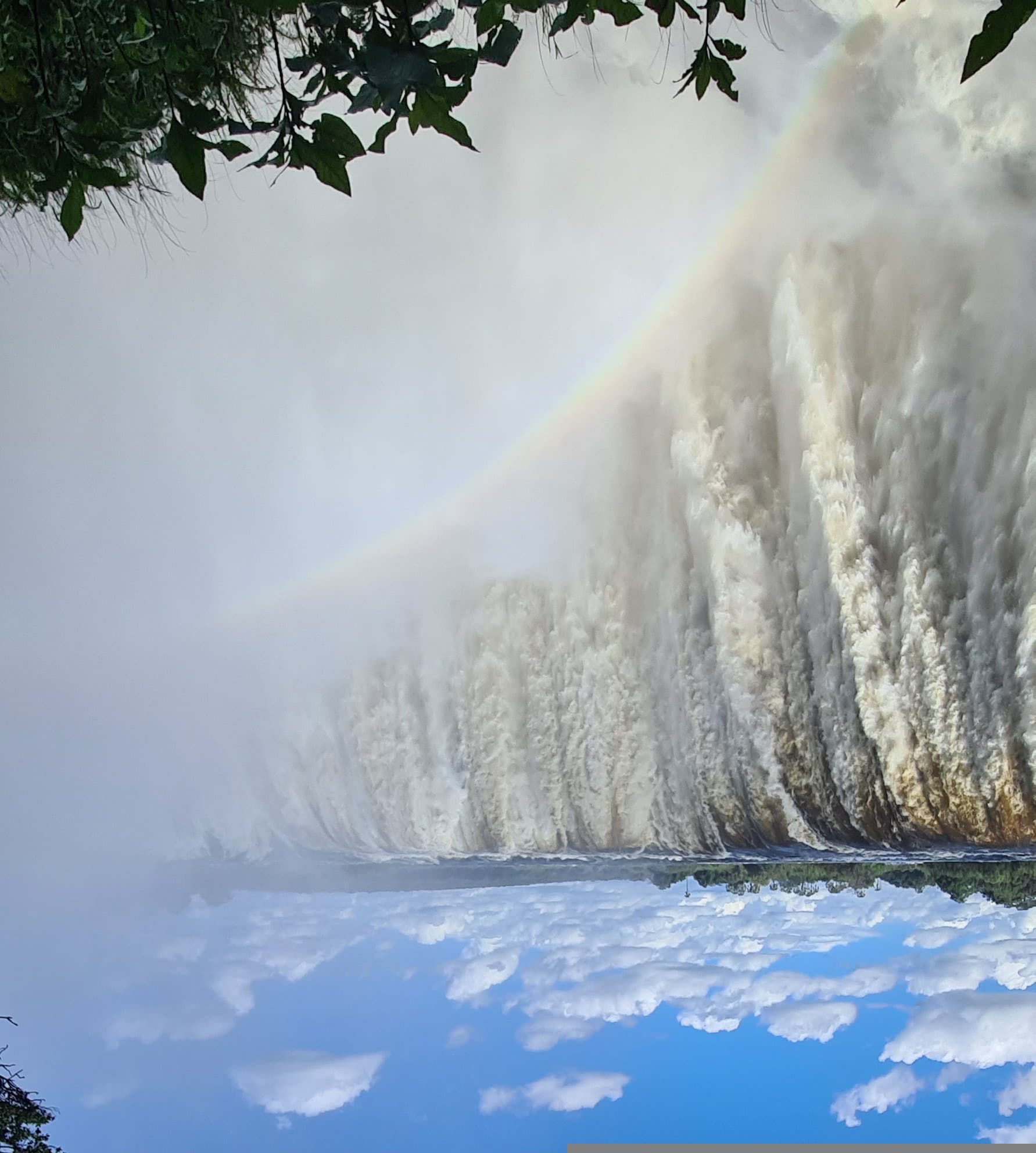

Where you sleep decides what you wake to.
Sample itinerary structures
Structure matters as much as place — see how the nine safari styles change vehicle time, privacy and cost.
Hwange and the falls
Two Hwange camps + Victoria FallsThe classic first Zimbabwe: elephants at scale, then the falls.
See this itinerary →10–11 nightsThe Zambezi trilogy
Victoria Falls + Hwange + Mana PoolsZimbabwe’s three greatest experiences in the natural order.
See this itinerary →9–10 nightsWalking and water
Mana Pools + Lake Kariba houseboatFor repeat travelers who want the country’s most atmospheric corners.
See this itinerary →Frequently asked questions
Is Zimbabwe safe for safari travelers?
The safari areas and Victoria Falls have an excellent safety record and a long tradition of high-end tourism. Check current government travel guidance as you would for any destination, and book through operators who know the country.
What is different about Zimbabwean guiding?
The professional guide license requires years of apprenticeship, rigorous written and practical exams, and demonstrated field competence before a guide may lead a walk. Many experienced safari travelers regard it as the toughest qualification in the region. The result is guides who can walk you into big game safely and interpret it with real depth.
How does a private Zimbabwe safari differ from a standard lodge circuit?
Private routing lets you weight Hwange vs Mana vs Falls for your season, lock a private vehicle where sightings are mobile, and avoid one-size departures that skim the best walking windows.
How does Zimbabwe compare on cost for a private safari?
On published 2026 rates, Hwange camps cost $355–$755 per person sharing per night and the premier lodges at the Falls and in Mana Pools $1,020–$1,935, from low to peak season. Botswana's Okavango Delta camps run $658–$4,225 on the same basis, so Zimbabwe generally prices below Botswana. Park fees and flights are extra, and the final price depends on dates and availability.
Which side of Victoria Falls is better when combined with a Zimbabwe safari?
The Zimbabwean side offers the widest panoramic views of the falls; the Zambian side gets closer to the water at Livingstone Island. Many trips see both. For a safari-plus-falls itinerary, Zimbabwe’s Hwange connection makes its side the natural anchor: give the falls a deliberate two-night chapter at the beginning or end, rather than a rushed transfer between parks.
What are the best national parks for a Zimbabwe safari?
For most travelers: Hwange for elephants and predators, Mana Pools for walking and canoeing, Victoria Falls as the gateway, and Lake Kariba and Matusadona for houseboats. Gonarezhou and the Matobo Hills are rewarding additions for repeat visitors.
Is Zimbabwe good for a first safari?
Yes. Hwange plus two nights at Victoria Falls is a strong, simple first trip with excellent guiding. Mana Pools suits travelers who want time on foot. If you want the most polished lodge infrastructure or a malaria-free option, South Africa may fit better.
How many days do you need for a Zimbabwe safari?
Seven to eight nights covers two Hwange camps and Victoria Falls. Ten to eleven nights adds Mana Pools for the full Zambezi circuit. Allow at least three nights in each park so the guide can work the area.
Can you combine a Zimbabwe safari with Botswana or Zambia?
Easily. Chobe in Botswana is a short road transfer from Victoria Falls, and Livingstone on the Zambian side connects by scheduled flight to Lusaka and Mfuwe for South Luangwa. Get matched and we will suggest the combination that fits your month.
Official planning sources
Use official destination and protected-area sources for baseline information. Entry rules, fees, health guidance, access and camp policies can change.
Go deeper on Zimbabwe
Build a Zimbabwe brief.
Share your month, budget, travelers and priorities. We’ll narrow it to the regions, trip structure and partners that fit — and tell you which don’t.
Get matched