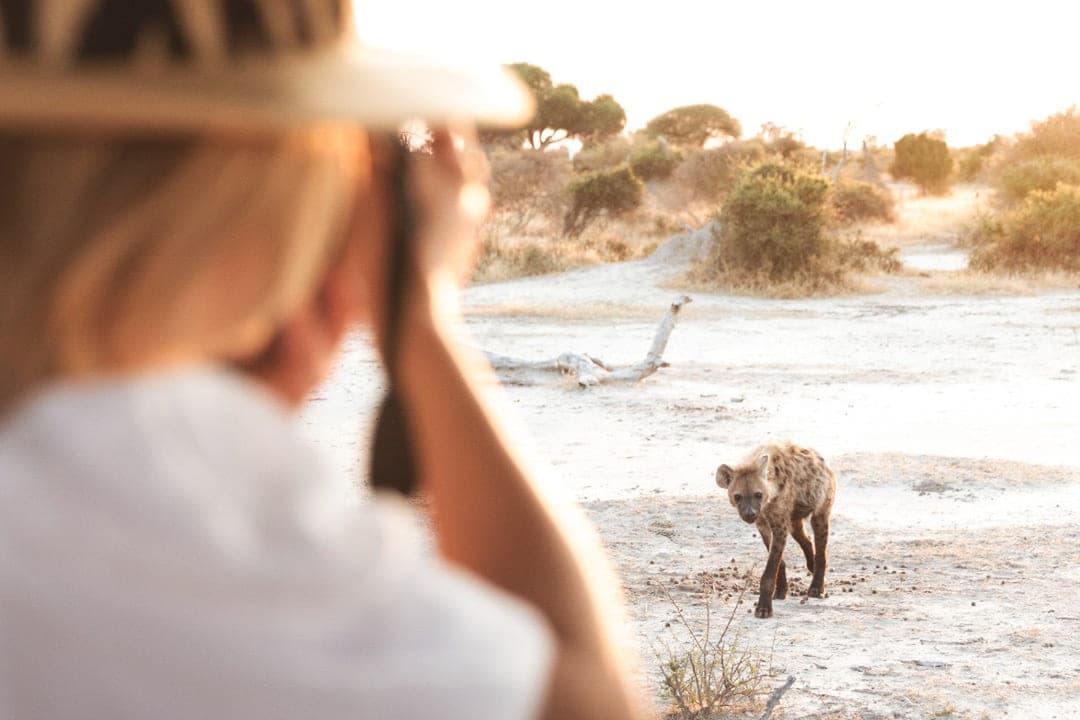
Namibia rewards travelers who measure a trip in landscapes rather than species counts. It is a country of long distances, extraordinary light and silence. Wildlife is real — Etosha delivers dependable big-game viewing and Damaraland offers rare desert-adapted species — but the reason to come is the land itself, and the way it changes over nine or ten days from red dune to fog-bound coast to open savanna.
Hero photography on this page is African Travel Inc creative (OWNER-approved site use; not ATI legal-cleared), fulfilled via our Outside Agents rail — not operated by Safari Awaits. Rate parity applies. Commercial disclosure. Photo credits.
How Namibia compares on price and season: costs and timing across our full destination map.
Choose Namibia if…
- Landscape, silence and photography matter as much as animal density
- You want the option of self-drive with real independence
- A malaria-free component appeals for part of the trip
- You have already done a classic East African game-drive safari
Reconsider if…
- You want the highest possible density of big cats and herds
- Long drives or multiple internal flights are unwelcome
- You have less than eight nights; Namibia does not compress well
Where to focus
Sossusvlei & the Namib
The world’s highest sand dunes rise from the oldest desert on earth. Sunrise on the dunes and the clay pan of Deadvlei are the images that define the country. Stay inside the NamibRand or near Sesriem for first-light access.
Read about Sossusvlei & the Namib →Big-game viewing, floodlit waterholesEtosha National Park
A vast salt pan ringed by waterholes that concentrate elephant, rhino, lion and giraffe in the dry season. Waterhole viewing at night from the eastern and central camps is uniquely productive.
Read about Etosha National Park →Desert-adapted elephant and rhino, geologyDamaraland & Kaokoland
Ancient granite, petrified forests and dry riverbeds where desert-adapted elephants and free-roaming black rhino are tracked on foot. The most exclusive and remote part of the country.
Read about Damaraland & Kaokoland →Fog, shipwrecks, seal colonies, isolationSkeleton Coast
Where the Namib meets the Atlantic. Fly-in camps in the far north offer a genuinely otherworldly experience: fog banks, wrecks in the sand, brown hyena and enormous seal colonies.
Read about Skeleton Coast →Seasonality at a glance
| Period | Typical conditions | Who it suits |
|---|---|---|
| May–October | Dry season. Cool mornings, warm days, crisp desert light | The prime window for both wildlife and photography |
| November–December | Building heat, first storms in the north | Photographers seeking dramatic skies and empty roads |
| January–April | Rainy season in the north; desert remains dry but hot | Value travelers and those focused on the southern desert circuit |
Seasonal patterns are historical guidance, not guarantees. Verify current local conditions and operating schedules before booking.
Three ways to do Namibia, priced per couple.
Self-Drive Lodge Circuit
$300–$600 / night$6,000–$10,000 per couple (10 nights)
Includes: 4x4 hire, mid-range lodges, most meals, park fees
Namibia’s roads and lodges make an independent circuit genuinely excellent value without sacrificing quality.
Fly-In Desert Camps
$900–$1,600 / night$14,000–$22,000 per couple (9 nights)
Includes: Light aircraft transfers, premium desert camps, guided activities, meals and drinks
Charter flights replace long drives; camps in NamibRand, Damaraland and the Skeleton Coast deliver isolation and exceptional guiding.
Private Guided Expedition
$1,800–$3,500 / night$28,000–$45,000+ per couple (10 nights)
Includes: Private guide and vehicle throughout, exclusive-use camps, helicopter options, all inclusions
A dedicated specialist guide travels with you the whole way — the way to see the far north properly.
Move the inputs yourself: price a Namibia trip by month, style and nights.
Wildlife
Namibia’s wildlife is defined by adaptation. Elephants, lions and rhino have learned to survive in one of the driest places on earth, and Etosha’s waterholes deliver some of the most reliable dry-season viewing in southern Africa.
- Desert-Adapted Elephant
- Smaller-bodied herds that walk enormous distances between ephemeral riverbeds in Damaraland.
- Black Rhino
- The world’s largest free-roaming population, tracked on foot with community conservancy trackers.
- Desert Lion
- A small, remarkable population that hunts seals on the Skeleton Coast.
- Oryx (Gemsbok)
- The emblem of the Namib, photographed against red dunes at sunrise.
- Cape Fur Seal
- Colonies of over 100,000 at Cape Cross and along the Skeleton Coast.
Where: Etosha waterholes at dawn and dusk; Damaraland riverbeds; the Skeleton Coast seal colonies.
The ways Namibia is best done.
Self-Drive Discovery
A well-planned 4x4 circuit with excellent lodges and complete independence.
How it works →ExperienceFly-In Desert Safari
Charter flights between the country’s most remote and beautiful camps.
How it works →ExperiencePhotographic Expedition
Built around light: sunrise dunes, floodlit waterholes, coastal fog.
How it works →
Where you sleep decides what you wake to.
Sample itinerary structures
Structure matters as much as place — see how the nine safari styles change vehicle time, privacy and cost.
Desert essentials
Sossusvlei + Swakopmund + EtoshaThe classic first Namibia circuit, dune to coast to wildlife, driveable or flown.
See this itinerary →11–13 nightsThe full arc
Sossusvlei + Damaraland + Skeleton Coast + EtoshaAdds the remote north-west, where the country is at its most extraordinary.
See this itinerary →9–10 nightsFly-in far north
NamibRand + Damaraland + Skeleton Coast fly-in campsFor repeat travelers: skips the drives entirely and concentrates on the wildest country.
See this itinerary →Frequently asked questions
Is Namibia a real safari or a scenery trip?
Both, honestly. Etosha and Damaraland deliver genuine wildlife — including species you cannot see elsewhere — but if your priority is maximum big-cat density, Botswana or Kenya will serve you better. Namibia is for travelers who want landscape and wildlife in balance.
Should we self-drive or fly?
Self-drive is a first-class option here, not a compromise, if you have ten or more nights and enjoy independence. Fly-in makes sense for shorter trips, for reaching the Skeleton Coast, or if long gravel drives do not appeal.
Is Namibia malaria-free?
The southern and central desert circuit — Sossusvlei, Swakopmund, the NamibRand — is malaria-free. Etosha and the far north are low-risk seasonal areas; check current guidance before travel.
How does Namibia compare on cost?
Self-drive Namibia is among the best-value premier safaris in Africa. Fly-in desert camps price comparably to Botswana. The spread between the two is wider here than in any other country we cover.
Official planning sources
Use official destination and protected-area sources for baseline information. Entry rules, fees, health guidance, access and camp policies can change.
Go deeper on Namibia
Build the right Namibia brief.
Share your month, budget, travelers and priorities. We’ll narrow it to the regions, trip structure and partners that fit — and tell you which don’t.
Find my safari